ブログ

2024年6月12日

Streaming

About SPAC

  • About SPAC

  • Satoshi Miyagi | Electric Japan
    © The Coronet Theatre

Featured Performances

Watch SPAC’s works online through international festivals, collaborations, and streaming platforms.

International Collaborations

  • “Gilgamesh par Miyagi Satoshi | Spectacle au Théâtre Claude Lévi-Strauss le 27 mars 2022-Le musée du quai Branly

  • “Le Lièvre blanc d’Inaba et des Navajos” par Satoshi Miyagi & SPAC – Shizuoka Performing Arts Center, spectacle anniversaire des 10 ans du musée du quai Branly

STAGE BEYOND BORDERS
In collaboration with the Japan Foundation. English and French subtitles available.
Watch on STAGE BEYOND BORDERS

  • “SPAC and T2G “The Cherry Orchard”【EN/FR/JP】
    © The Japan Foundation

Streaming Services
SPAC performances are also available on Japanese streaming platforms such as U-NEXT and Kan-geki Zammai.
Please note that availability may vary depending on your region and device.

U-NEXT
“A Doll’s House” (2023, directed by Satoshi Miyagi)
“The Miser” (2022, directed by Jean Lambert-wild)
“Peer Gynt” (2022, directed by Satoshi Miyagi)
“Epic of Gilgamesh” (2022, directed by Satoshi Miyagi)

Kan-geki Zammai
Featuring a selection of works directed by Satoshi Miyagi.
“Madame Borgia” (2019)
“Othello – A Phantom Love” (2018)
“Antigone” (Avignon ver.) (2017)
“The Biography of Gusuko Budori” (2015)
“The Winter’s Tale” (2013)
“The Golden Coach” (2013)

SPAC held a World Theatre Festival on the Cloud 2020 during the period when the World Theatre Festival Shizuoka 2020 would have run.[Core period: 25th April ~ 6th May]

▼ 【Archive】Talk Series

#1 Wajdi MOUAWAD (Author, Director of La Colline – national theatre in Paris)
#2 Omar PORRAS (Director, Actor)
#3 Christiane JATAHY (Author, Director, Film director)
#4 Olivier PY (Author, Director, Actor, Director of the Festival d’Avignon)
#5 Kirill SEREBRENNIKOV (Director, Film director)
*For more information

▼ Back Stage Tour on the cloud

Others

Momotaro meeting
“Momotaro-no-kai” is a project initiated by Suzuki Tadashi to support the next generation of performing artists. It starts in Toga, the renowned theatre village, and brings performances to other cities such as Shizuoka, Toyooka, and Tottori.

  • “Otsuya Koroshi” (2023, directed by Natsuki Ishigami)

  • “Yoroboshi” (2022, directed by Natsuki Ishigami)

SPAC 2020–2021 programs Promotional videos
[ENGLISH][FRENCH]

“Republic of the Bees” [EN] [FR]
“Yotaro in a Yokai Land” [EN] [FR]
“The Imaginary Invalid” [EN] [FR]
“Hamlet” [EN] [FR]

2023年11月5日

SPAC Autumn→Spring Season 2023-2024 #3
Der Rosenkavalier">SPAC Autumn→Spring Season 2023-2024 #3
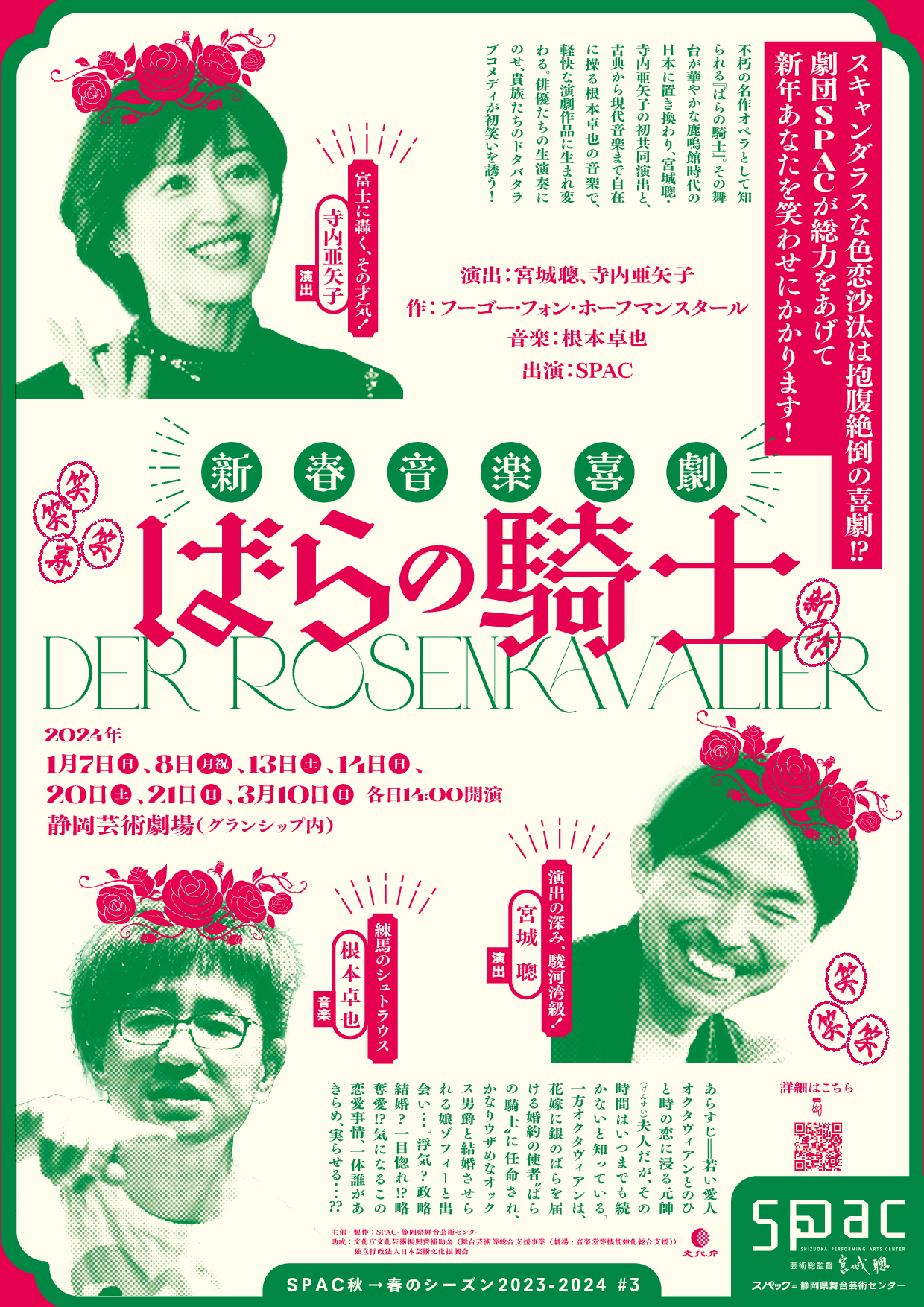
Der Rosenkavalier

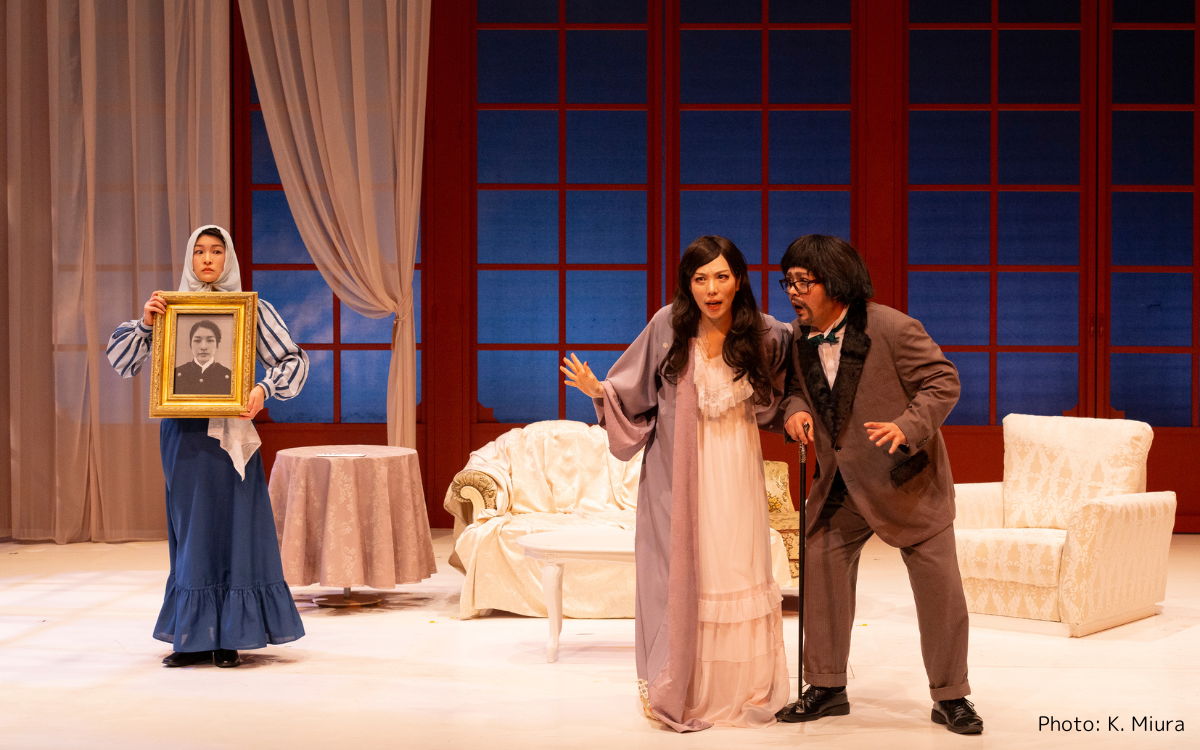
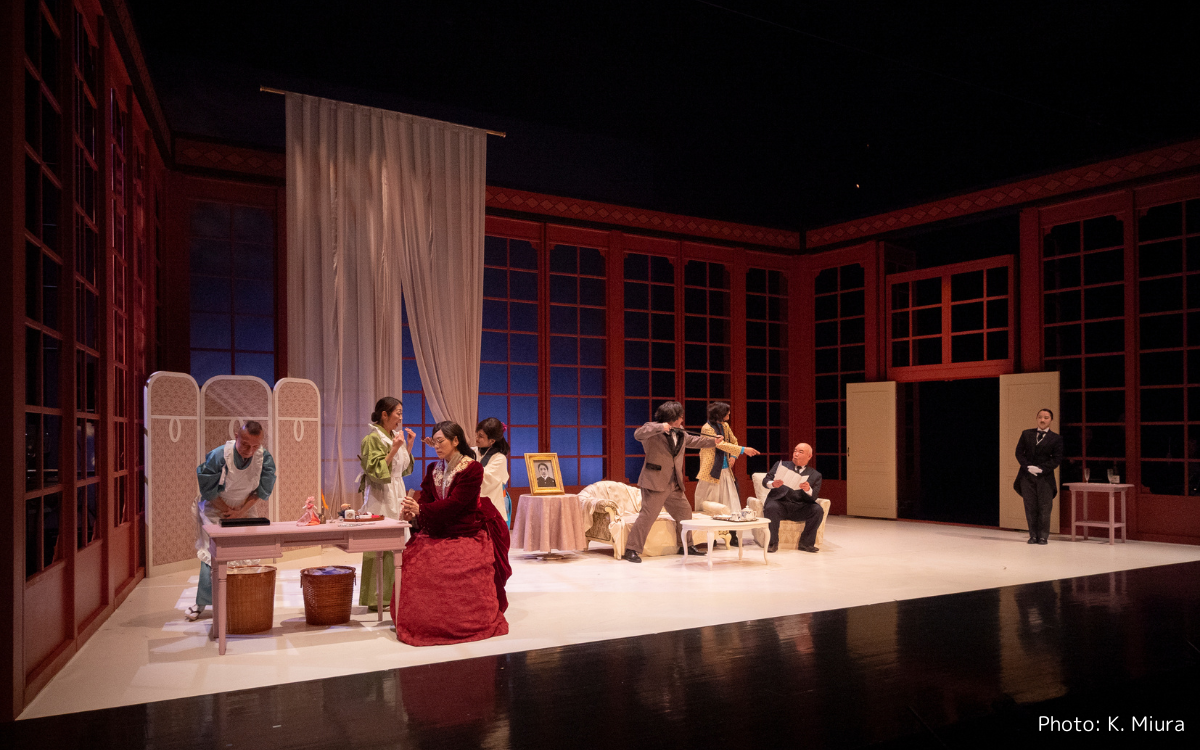
A scandalous love affair that is a sidesplitting comedy?
SPAC will launch an all-out attack to make you laugh out loud in the new year!

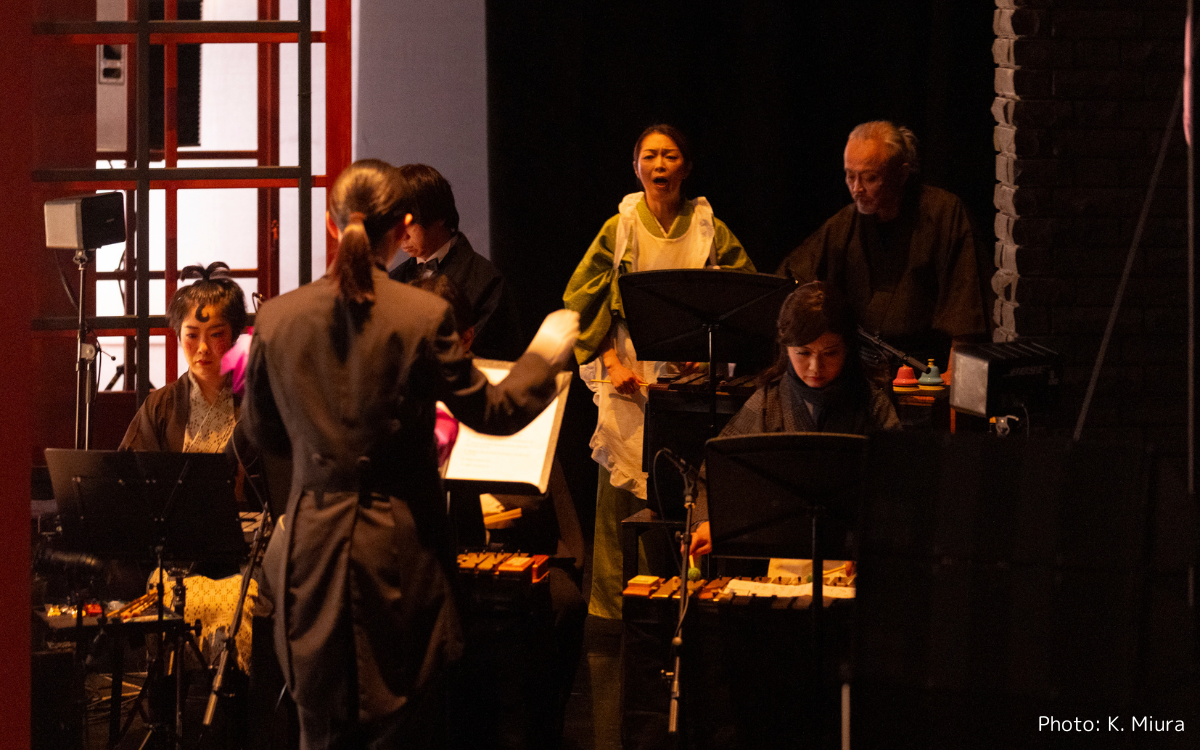
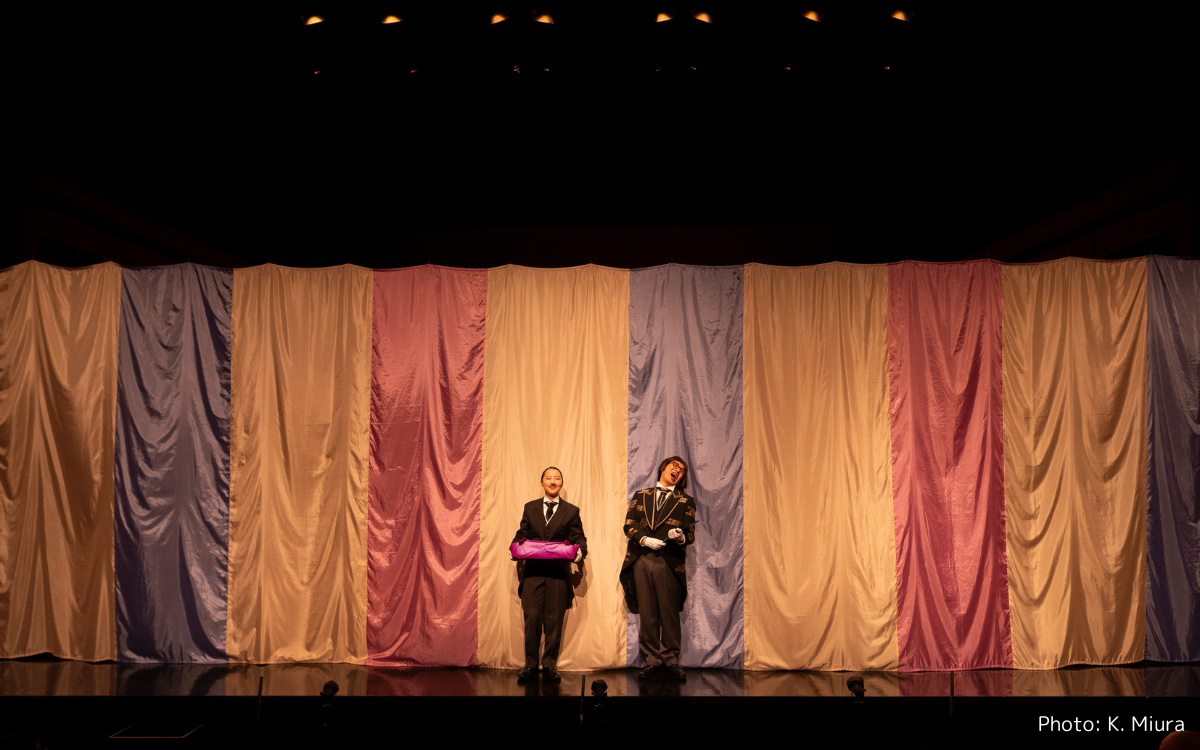
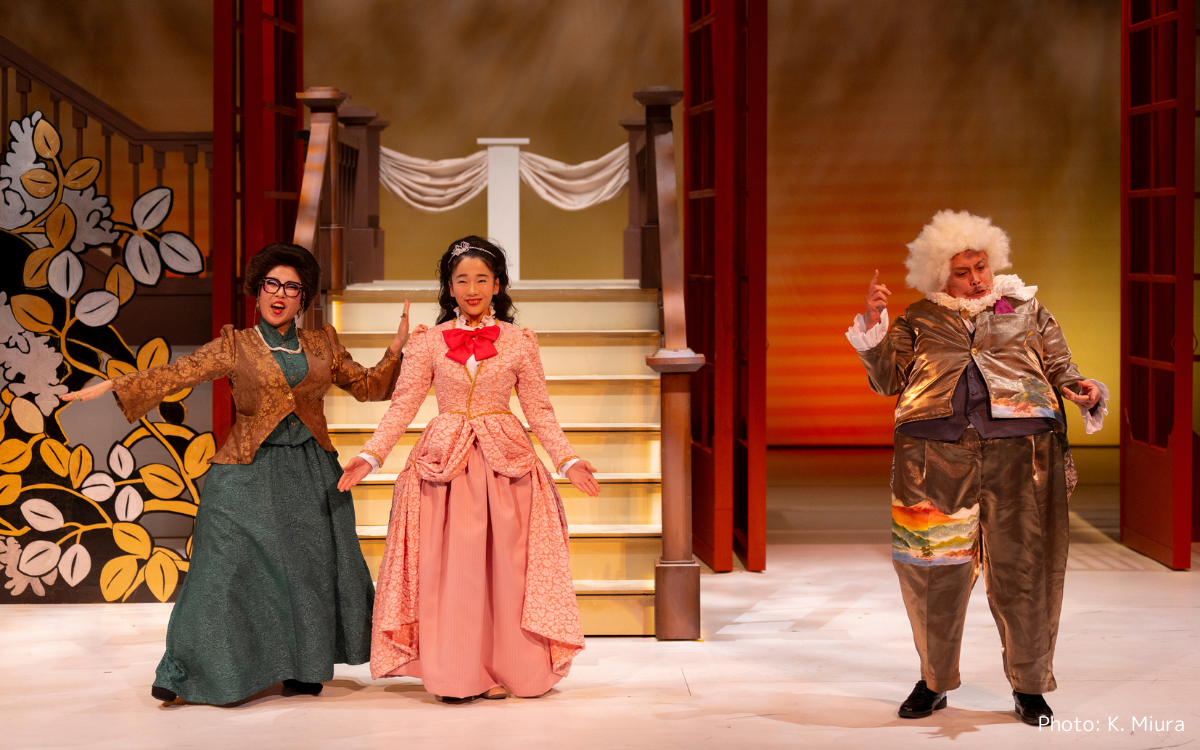
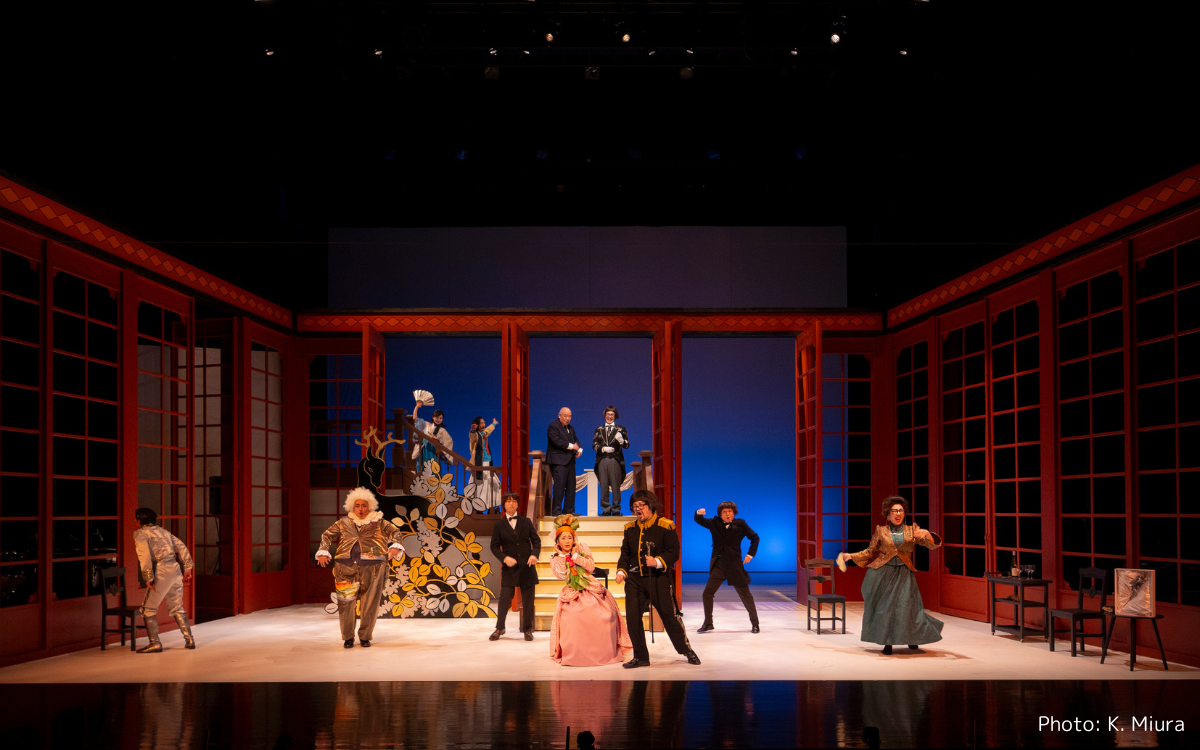
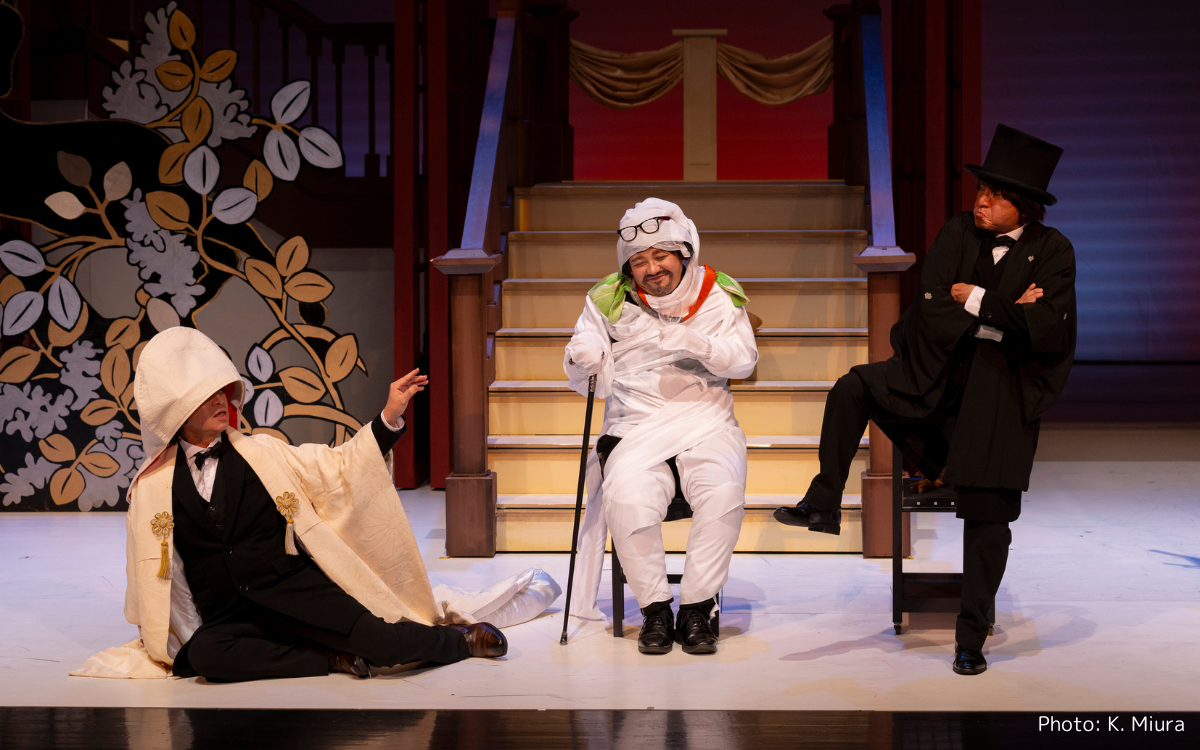
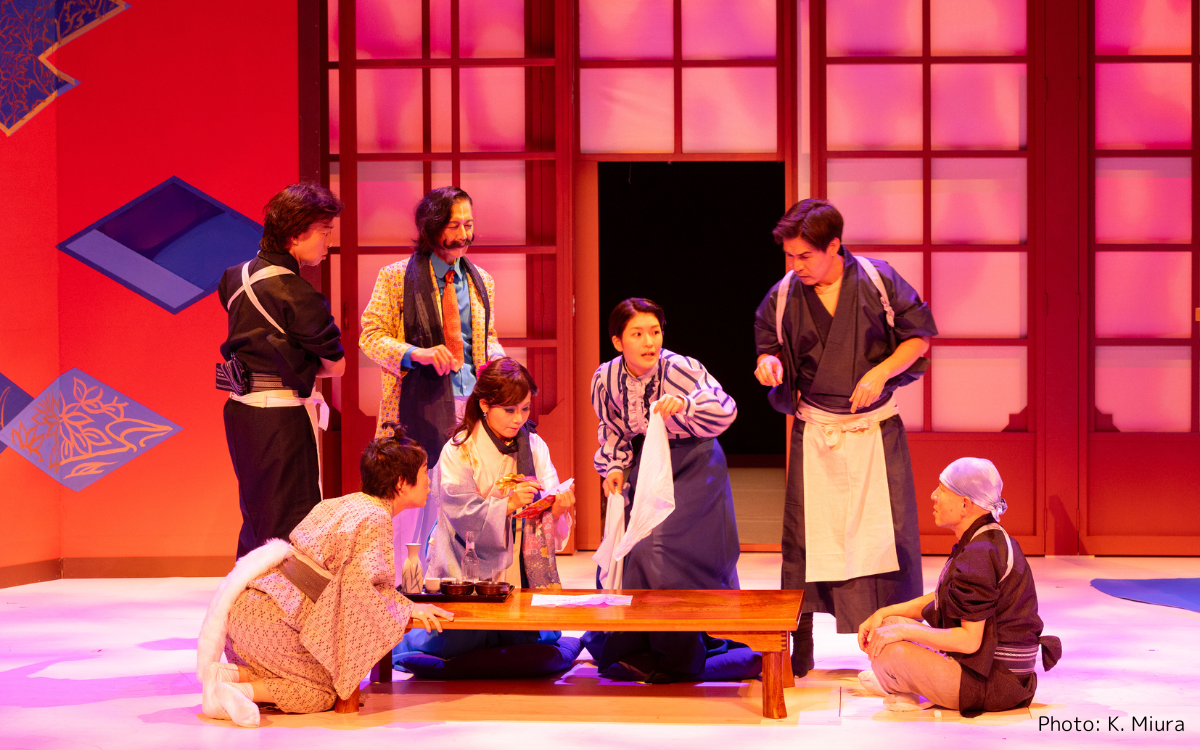
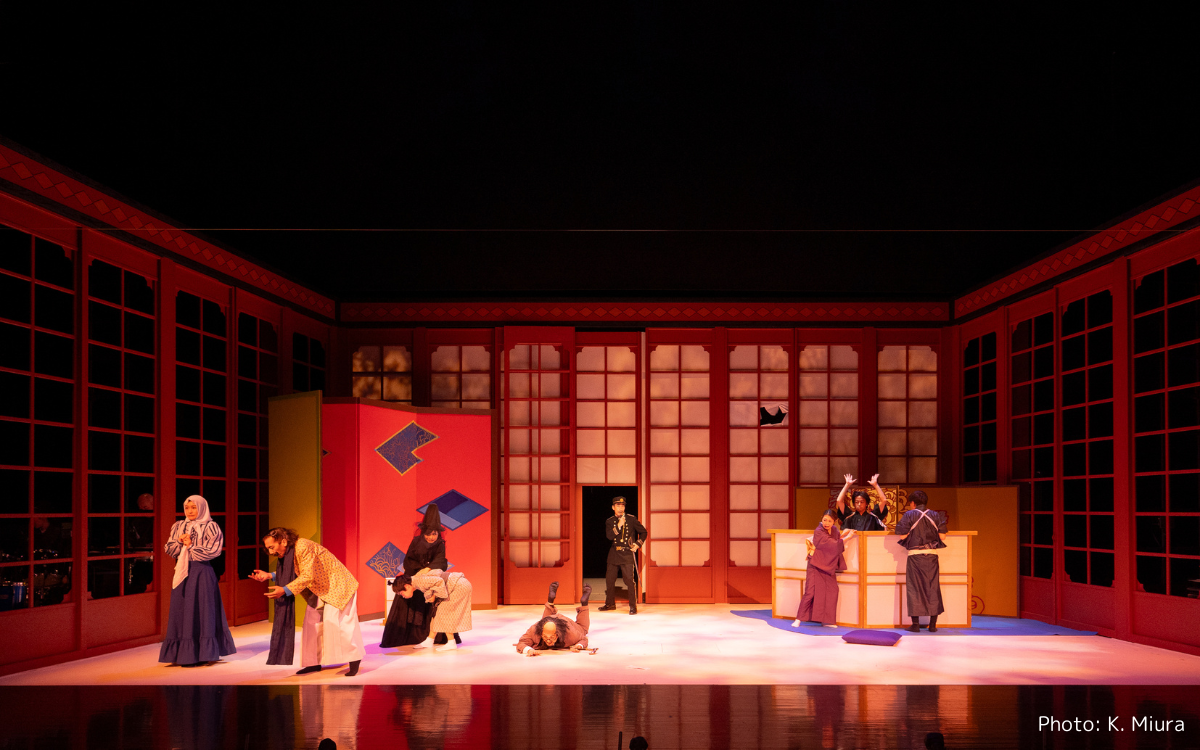
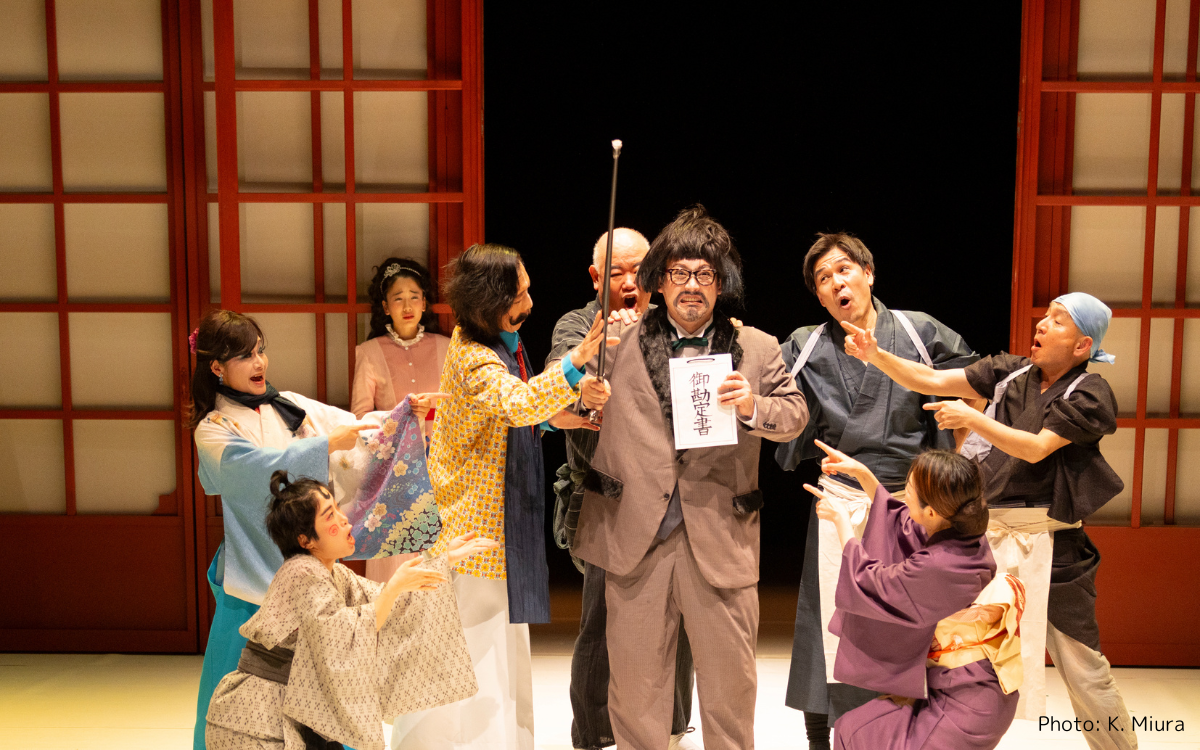
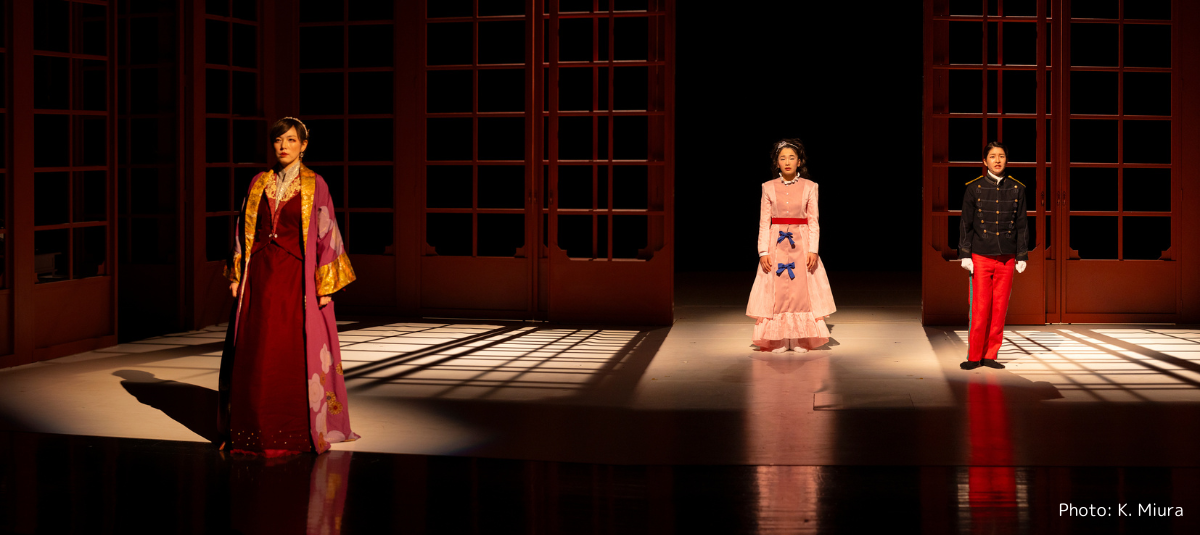
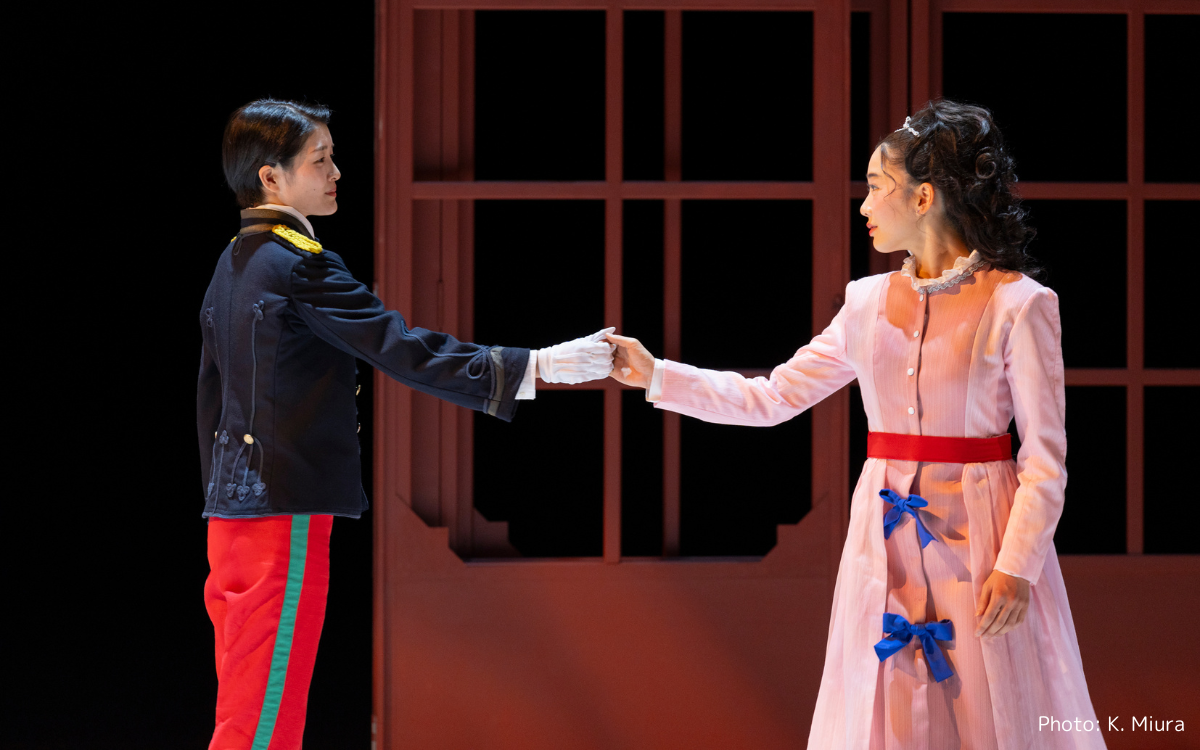
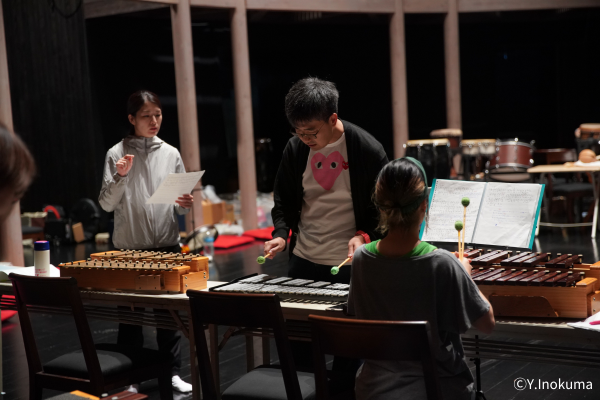
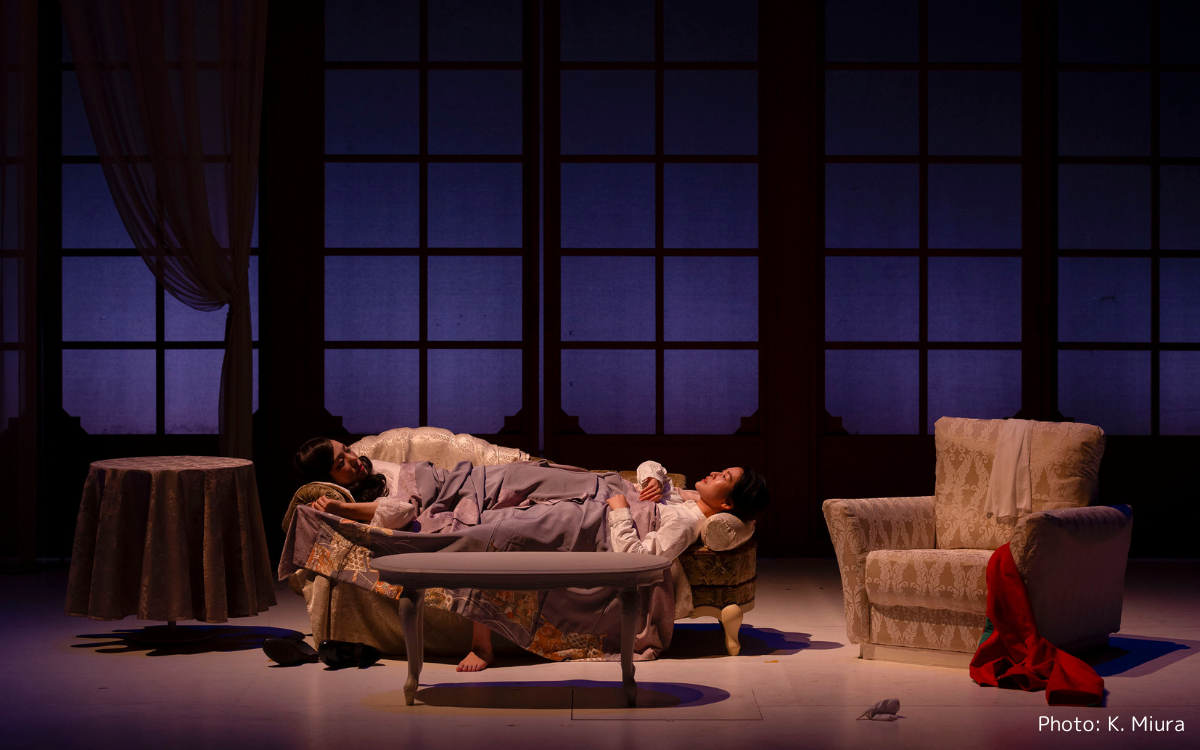
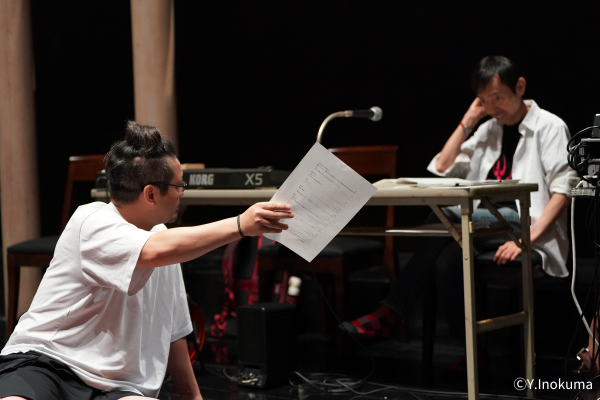
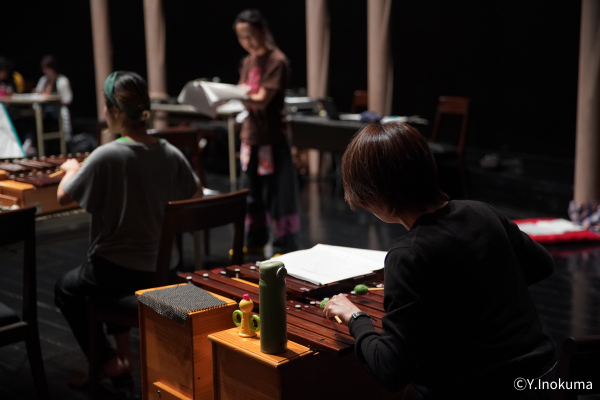
Der Rosenkavalier is known as a timeless masterpiece opera. Replacing its setting with the glamorous days of early Westernization in Japan, as symbolized by the Rokumeikan building, the opera is reborn as a lighthearted theatrical work with the first joint direction by MIYAGI Satoshi and TERAUCHI Ayako, and the music by NEMOTO Takuya, a master of all music genres from classic to modern music. Experience your first laughs of the year with this slapstick love comedy of aristocrats performed by the actors accompanied by live music!
 

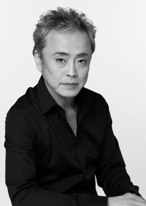
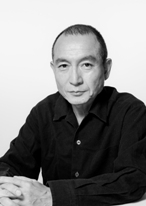
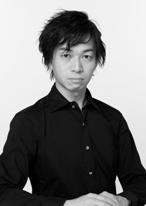
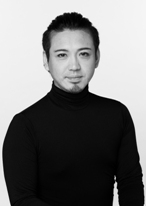
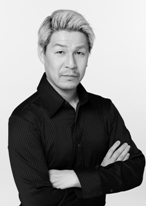
Direction: MIYAGI Satoshi, TERAUCHI Ayako
Text: Hugo Von Hofmannsthal
Music: NEMOTO Takuya


Story line
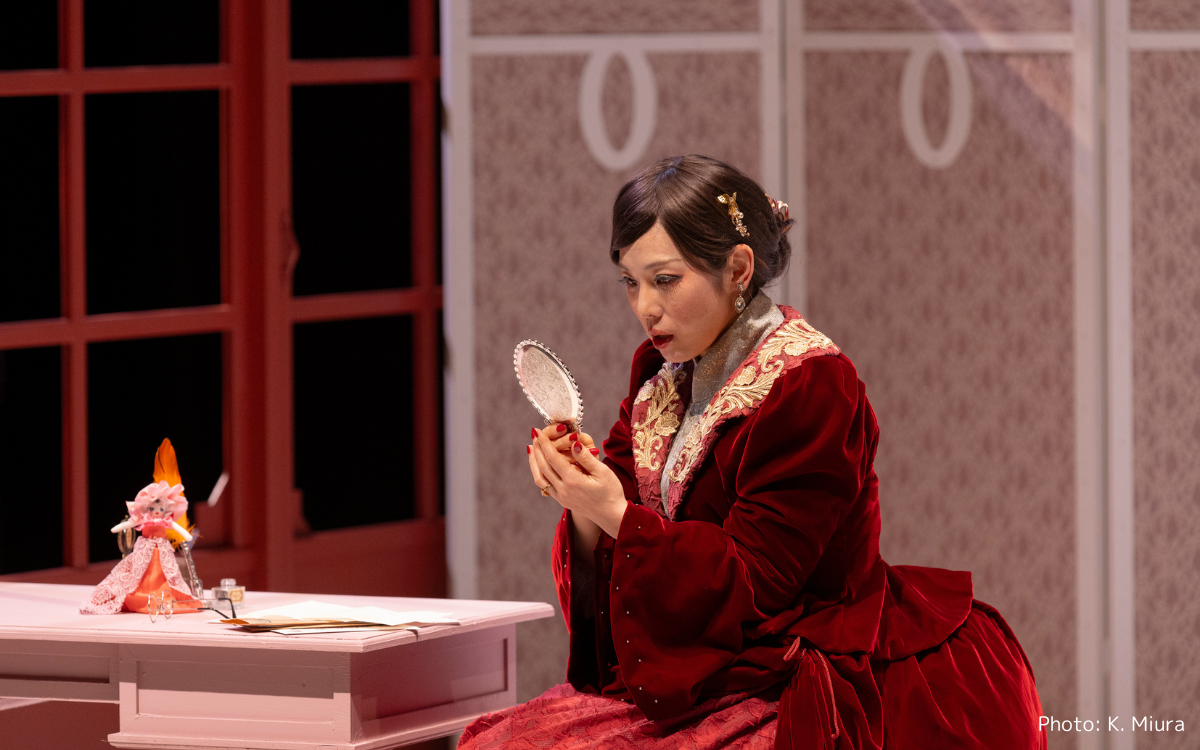
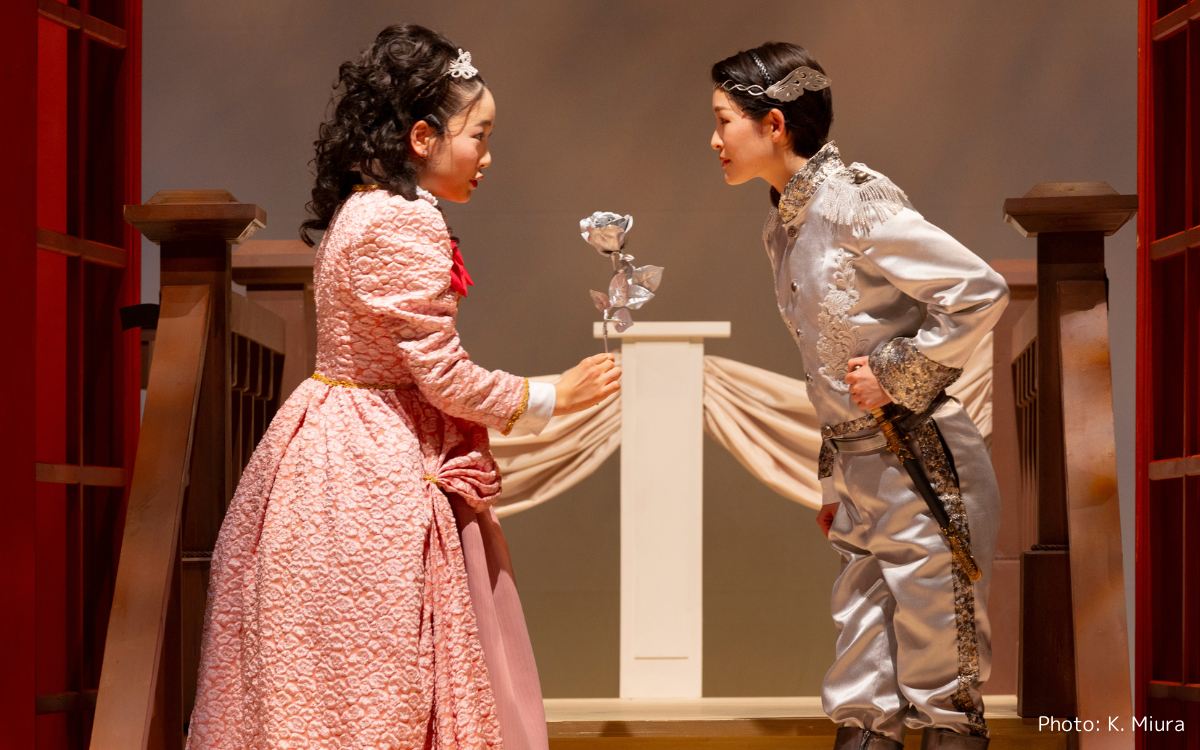
The Marschallin is deeply in love with her young lover, Octavian, but she knows that such happiness will not last long. On the other hand, Octavian is appointed as Der Rosenkavalier for Baron Ochs, and as such, delivers a silver rose to Sophie, a young woman who has no choice but to marry the Baron, a very annoying man.
What will you witness? A fling, a marriage of convenience, love at first sight, or stolen love? Who will give up and who will bring this curious romance to fruition?


Cast


ISHII Moemi

OOTAKA Kouichi

KIUCHI Kotoko

KIJIMA Tsuyoshi

KONAGAYA Katsuhiko


SAKAKIBARA Yuumi

SATO Yuzu

TAKEISHI Morimasa

NAGAI Kenji

HONDA Maki

MAKIYAMA Yudai

MIYAGISHIMA Haruka

MORIYAMA Fuyuko

YAMAMOTO Miyuki

YOSHIUE Soichiro

WAKAMIYA Yoichi


Information

2024
7 January, Sunday at 2:00 pm *Post-performance talk
8 January, Monday at 2:00 pm *Backstage tour
13 January, Saturday at 2:00 pm *Post-performance talk
14 January, Sunday at 2:00 pm *Backstage tour
20 January, Saturday at 2:00 pm *Lobby concert
21 January, Sunday at 2:00 pm *Backstage tour
10 March, Sunday at 2:00 pm *Lobby concert/Post-performance talk

At Shizuoka arts theatre
 
Duration:130 minuites
In Japanese with Japanese and English portable subtitles

Audio guidance to help the audience enjoy the play is available for performances on January 20 (Sat) and 21 (Sun). (Application necessary in advance/free of charge)
* We offer a service to lend a portable subtitle display for all performances on days for general audiences. Please select from Japanese or English. (Application necessary in advance/free of charge)
Please check here for details.


*Please refrain from taking infants to the ordinary seats.
 

Related Events

Pre-Performance Talk
Starting 25 minutes before each performance.
Free of charge. No reservation required. 
 
Post-Performance talk by the artists: after the performance.
7 January, Sunday
13 January, Saturday
10 March, Sunday

Free of charge. No reservation required.
 
Lobby Concert
A mini concert by a music group active in the prefecture will be held in the lobby on the 1st floor before the play starts.
20 January, Saturday
10 March, Sunday

 
バックステージツアーBackstage tour
The technical staff will take you on a special backstage tour.
8 January, monday
14 January, Sunday
21 January, Sunday

Every day, after the performance
Time: About 30 minutes
Free of charge. Reservation required. Up to 40 people.
 
Meet us at Cafe Cinderella!
After the performance, the actors will come to see you off in their stage costumes. We hope you will take this opportunity to interact with the actors!
 

Performances for junior and high-school students

SPAC believes that theaters are a window to the world, and that is why it invites junior high school and high school students in Shizuoka Prefecture to its free-of-charge programs.
It is scheduled that about 9,564 students from about 62 junior high and high schools in the prefecture will view the work at Shizuoka Arts Theatre and other venues.


Ticket Price

4,200 yen (One viewing for regular adult)

●Student Discount:
 [U25 and University students]2,000 yen
 [High school students and under]1,000 yen
 *Please present ID/student ID at door
●Disability discount: 2,900 yen (for those with a disability pocketbook)
 *Please present disability pocketbook or Mirairo ID at door
 *Free for One attendant.

*More than one discount cannot be claimed per purchase.
*Please claim any discount when making a reservation

SPAC Membership Discount
3,500 yen (One viewing for regular adult)
Pair Discount: 3,300 yen per person


How to Purchase

◆Prior Reservation for Membership begins:
 7 October at 10:00
◆Advance Tickets Sale begins:
 14 October at 10:00
 
●Online reservations
bnr_getti_e– Please enter from the language button “English”.
– Payment is possible with the following credit cards: DC, UFJ, NICOS, VISA, and Master. Tickets purchased through this website can be received at the venue from one hour prior to each performance.

 
●Phone reservations
from 10:00-18:00 at SPAC ticket center
TEL. +81-(0)54-202-3399

●Purchase at BOX Office
SPAC ticket center (10:00-18:00)
 
Day Ticket
Available at the entrance counter for leftover seats, from one hour prior to each performance.
*Please confirm ticket availability on the day by phone or by visiting X (@_SPAC_)

*Ticket reservations will finish at 18:00 on the day before the performance.

Please refrain from taking infants to the ordinary seats.
 
[Nursery room]
For the Shizuoka performances, there is a nursery room where parents can watch the program with their infant children.
*This service can only be reserved by phone or at the box office.
*A babysitting service is available on 13 January.
*On 20 Saturday, January and 21 Sunday, January, the nursery room will not be available due to the implementation of audio guidance services.

Staff

Stage design: KOSAKA Nana
Lighting design: KOBAYAKAWA Hiroya
Sound design: SAWADA Yukino
Costume design: SEI Chigusa
Hair and makeup design: KAJITA Kyoko

Assistant Director: NAKANO Masaki
Stage Manager: HARAIKAWA Yukio
Stage: SUGIYAMA Yuri, MORIBE Rio, TSUCHIYA Katsunori
Sound: TAKESHIMA Chisato
Art Work: YOSHIDA Yuna, TSUKAMOTO Kana
Art Work production: SATO Yosuke, MORI Masashi, YOSHIMI Ryo
Wardrobe: SATO Rise
Costume production: TSUKAMOTO Kana, MAKINO Saho
English subtitle translation: EGLINTON Mika and EGLINTON Andrew
Assistant director(for script), Subtitle operation: OISHI Takako
Technical director: MURAMATSU Atsushi
Production: SAKANAKA Toshiki, SATO Misaki

Poster design: ABE Taichi(TAICHI ABE DESIGN INC.)
 
 
Produced by SPAC-Shizuoka Performing Arts Center
Approved by Fujinokuni Arts Festival

Supported by the Agency for Cultural Affairs, Government of Japan through the Japan Arts Council

[Support for audiences]
Organizers: Japan Association of/for People with Intellectual Disabilities, Japan Arts Council, Agency for Cultural Affairs
Cooperated by National Network to Promote Cultural and Artistic Activities of People with Disabilities
Cooperated/Collaborated by Governors’ Coalition for Promoting Arts and Cultural Activities of Disabled People
Commissioned by Japan Cultural Expo 2.0 (Commissioned)

Cultural Arts Universal Tourism Project toward the Expo 2025 Osaka Kansai
Matching Project for Providing Reasonable Accommodations in culture and the arts activities

 2018_gmark


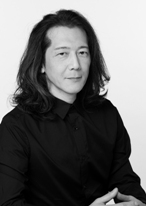
MIYAGI Satoshi

Born in Tokyo in 1959, after studying aesthetics at Tokyo University under ODASHIMA Yushi, WATANABE Moriaki and HIDAKA Hachiro, he founded the KU NA’ UKA theatre company in 1990 and soon began staging plays overseas as well as in Japan. As a result, Miyagi’s work — in which he often fuses contemporary textual interpretations with physical techniques and patterns of Asian theatre — has long been acclaimed both at home and far beyond. Indeed, in 2004 he received the 3rd Asahi Performing Arts Award, and the next year the 2nd Asahi Beer Art Award. Since taking up his position with SPAC in April 2007, Miyagi has staged many of his own works — including “Medea”, the Hindu epic “Mahabharata”, and “Peer Gynt” — and has invited artists from abroad to present pieces casting a keen eye on the modern world as they see it. In line with his aim to make theatre “a window to the world,” he has also started a new SPAC-based project aimed at the youth of Shizuoka. In 2014, Miyagi was invited to the Festival d’Avignon, where he received excellent reviews for his open-air version of the Hindu epic “Mahabharata” staged in La Carrière de Bourbon. Following that landmark achievement, the festival extended the honor of inviting Miyagi to present a Buddhist interpretation he created of the ancient Greek mythological tragedy “Antigone” as its super-prestigious opening program for 2017. On that occasion, which was the first time an Asian play had ever been selected to launch the festival, Miyagi’s exalted “stage” was the open-air Cour d’honneur du Palais des papes (the Honor Court of the Palace of Popes). By the play’s end, those towering medieval stone walls were ringing out with long and splendid standing ovations welcoming the work’s director and creator along with SPAC’s actors and staff — while more than 60 European media all gave great reviews. In 2018, he received the 68th Minister of Education, Culture, Sports, Science and Technology’s Art Encouragement Prize of Drama. Also he recieved “Chevalier de l’Ordre des Arts et des Lettres” from the Ministry of Culture of France in 2018.


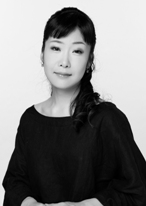
TERAUCHI Ayako

26_寺内亜矢子 sMs. TERAUCHI became involved in plays in 1997 in KU NA’ UKA Theater Company. Since the company entered a fallow period in 2007, she has been based at SPAC and appearing on stages in Japan and abroad, while also being engaged in physical expression education at Tokyo University of the Arts. She is an internationally active, multitalented professional involved in all aspects of performing arts creation, including acting, directing, musical performance, musical construction, dramaturgy, interpretation, and translation. She worked as a SPAC director for several plays, including Ootto Eetto Eejanaika (2020) , Chushingura 2021 (co-direction), Three Primary Colors (2022), The Lady Aoi(2023)

 
NEMOTO Takuya

TAKUYA NEMOTO obtained an MMus in conducting from Tokyo University of the Arts. As a student, he had grasped various theatrical works in their original languages, such as English, German, French, Italian, Czech, and even Latin. His singular capability for diction coaching makes him an integral presence in the industry, having been already engaged for hundreds of performances by New National Theatre Tokyo and other key opera companies in Japan. He earned a diploma in basso continuo at Conservatoire National Supérieur de Lyon (France). He also plays cembalo in The Jugong Boys (a duo with a Baroque cellist) and others. As a composer, he placed third (no first/second place winner) in the Ensemble category at the 3rd Tokyo Katsushika Composition Competition 2015. In June 2016, his trio Nemo Concertato (with sax and voice) released the CD book Shuntaro for Adults (Artes Publishing) dedicated to Shuntaro Tanigawa’s poetry. His first opera Kagetora, commissioned by the Myoko Culture Promotion Organization, premiered in December 2018 and was met with accolades.


2023年9月21日

02 Mystery Play in Medieval Europe

02 Mystery Play in Medieval Europe

After the era of prohibition, theatrical plays come back, and survive


From the age of suffering for theaters to mystery plays

 Roman theatrical plays developed into a decadent and highly entertaining show, with bloody or funny stories. In medieval Europe, where Christian values became dominant, such theatrical plays were considered the root of all evil that demoralized people both physically and mentally, and were prohibited for about 500 years. Professional actors became traveling entertainers and scattered over various regions. Naturally, the theatrical space that could be seen in Greek and Roman times (see Panel 01) faded from the limelight.
 However, theatrical plays were too strong to eradicate. It has been an important method since the dawn of history for people to express and share their feelings, thoughts, and memories, and this never disappeared entirely. By around the 10th century, theatrical plays returned to the Catholic Church, who should have been responsible for prohibiting them. They were the mystery plays of the medieval era, often referred to as passion plays. In medieval Europe, where various ethnic groups with different languages and customs lived together, it was too difficult to use the Bible written in Latin, as is, for missionary work. Instead, by showing various scenes described in the Bible in a tangible way in front of people, the contents could be understood intuitively. Therefore, festivals to explain biblical stories and the life of Christ through dramatic methods began to be held in churches and in town squares.
 From the 9th century to 10th century, the style of antiphon, singing the sacred verses, was introduced to Roman Catholic ceremonies, and strengthened their dramatic nature. For instance, the resurrection of Christ is one of the most important and dramatic themes in Christianity, and it is easy to show the miracle to people by expressing the scenes using a dramatic method. It is said that the theme of the resurrection of Christ was already established as a form of drama in the Easter festivals in the 10th and 11th centuries. They developed into Easter dramas from late 11th century to the 12th century, with a more complex story. The expression further developed by adding and organizing other stories, such as the birth of Christ, the Passion, or episodes in the Old Testament, generating spectacular mystery plays. Mystery plays continued to grow even during the Renaissance period in the 16th century, contributing to the invention of spectacular stage spaces in urban squares.

Text by SHIMIZU Hiroyuki

01 Valenciennes Passion play


02 Lucerne Passion play

Back to the list
 

2023年9月21日

10 History of SPAC’s theatre

10 History of SPAC’s theatre


 INTRODUCTION 
Intellectual game of architectural and theatrical language
Dissolution of language (protocol) and recombination through collision


 What is a theater? When you look at it as architecture, you may feel satisfied with an understanding such as “a theater is a combination of a physical space providing the best suited environment for representation and appreciation with a technical system including lighting and sound.” As shown by the words of Le Corbusier, “a house is a machine to live in” (1923), the simplest foothold of modern architecture, which broke away from traditional style, is functionalism. I suppose that many of those who visit this mini museum also share the simple idea that “theater is a box to create an environment where theatrical arts can be performed easily and can be viewed and heard well.” However, the group of theaters in SPAC is creating a relationship between architecture and theatrical plays that is slightly different from such idea based on functionalism. SUZUKI Tadashi chose ISOZAKI Arata as a partner for planning theatrical architecture to realize his theatrical philosophy.
 Although the areas of expertise of SUZUKI Tadashi and ISOZAKI Arata are completely different, they had something in common. That is, they were both trying to dissolve the languages (protocols) of architecture and theatrical plays, and trying to recreate them in their own arena. ISOZAKI Arata ran a series of “Kenchiku No Kaitai” (Dissolution of Architecture) in Bijutsu Techo in the early 1970s, and SUZUKI Tadashi presented his theory of theatrical art in Gekiteki Naru Mono Wo Megutte (Pertinent to What is Dramatic) (Kosakusha) in 1977. ISOZAKI cited the example of Mannerism (a style of art) that appeared in the Late Renaissance period and argued that what architects must do after a classic style is completed is to recreate the language thereof, and tried to dissolve the modern architectural theories of Le Corbusier and Mies van der Rohe. On the other hand, SUZUKI has been cultivating his dramatic method to dissolve and recreate the classic plays and dramatic protocols around the world. Suzuki Training Method, which recreated and theorized the lower body movement seen in classics such as noh theatre as a dramatic body representation, is used widely in the field of dramatic education throughout the world.
 It was imperative that SUZUKI and ISOZAKI met, and their collaborative works formed a sort of battlefield. We would like to draw your attention here to the theatrical space as the battlefield of the two men.


Inserting Japanese essences into the Renaissance-style theater
01 Elipse Theatre DAENDO


 Ellipse Theatre DAENDO is a notably compact theater, with 110 seats at maximum. ISOZAKI Arata was strongly interested in Renaissance buildings that recreated classic architecture. Upon designing a theater, he referred to Teatro Olimpico (see Panel 03), which is a masterpiece Renaissance architecture that regenerated Roman theater from a fresh perspective. Teatro Olimpico was first designed by maestro Palladio, and was completed thereafter by Scamozzi. ISOZAKI notes, “There is a drawing by Scamozzi estimating the drawing practice of the stage space of Teatro Olimpico (editor’s note: 1776). When you look at it, an ellipse is inscribed in the front-facing backdrop and orchestra, with the line of the anterior border as the major axis”*1, and he incorporated that in the design of DAENDO (Figure A).
 He added there some Japanese essences too. “The structure of DAENDO comprises only the wooden columns, beams, and rafters used in traditional Japanese architecture. Vertical features like natural light radiating from the rooftop have been newly added.”*1 Further, “The audience will reach the stage level via a dark staircase. It is a metaphor for descending underground.”*1 (Figure B) As such, a citation of a classical style, a citation of traditional Japanese architecture, and an invitation to the darkness of the theater along the strong vertical axis made of downward light and a staircase are prepared as an original setting to include but also confront the theatrical behavior.
 Such concept of architecture is prepared not merely for the sake of facilitating theatrical performance in terms of functionality. Rather, the architecture itself is provoking the theatrical performance that takes place there, as if asking, “Well, can you try? Can you take on this challenge?” Against this, SUZUKI Tadashi is accepting this challenge as follows: “It means, how can experts meet one another in a space waiting to be filled with physical energy.”*2 This shows the enduring battle between ISOZAKI Arata and SUZUKI Tadashi, carried over from Toga Sanbo 05.

01 Elipse Theatre DAENDO


Elements of ancient Greek theater, the Globe Theater, and the noh stage are fused
02 Open Air Theatre UDO


 UDO is an open-air theater with 400 seats inside a park. SUZUKI Tadashi says, “The interesting thing about this Open Air Theatre UDO is that different styles are fused together. The format of audience seats resembles that of the Greek open theater, and the style of the roof is similar to that of the Globe Theater. The long, raised platform on the back of the stage is inspired by the traditional Japanese noh stage and hanamichi in kabuki theater. (Omitted) In other words, it intensively expresses that theatrical plays had been developed through the interaction and confrontation of nature and artifacts.”*1 (See Panel 01 for the Greek open theater, Panel 04 for the Globe Theater, and Panel 07 for noh stage and kabuki)
 As explained above, this open-air theater expressing the coexistence and harmony with nature borrows and incorporates the scenery of the dense green of Nihondaira plateau as the backdrop of the stage. Because the audience seats are enclosed inside the black-colored architectural wings stretching long on both sides, like an indoor theater it gives the impression of being inside a womb (Figures C and D). Since Toga Sanbo 05, ISOZAKI Arata has constructed a theatrical space based on darkness, and the idea is also effective here. This black, closed nature of the audience seats is released when the stage made of Wakakusa stone, which had been exposed at the time of completion, reflects light and shines white (Figures C and E). Currently, the stage is covered for the ease of performance, so you cannot see the surface using Wakakusa stone. However, the impression of the stone can be felt from the stairs of the audience seats. This superb balance between the stage and the audience seats is emphasized even stronger with the green leaves of the borrowed scenery, because the seats are made by using the slope of the original terrain, just like the ancient Greek and Roman theaters (see Panel 01). Even when a theatrical play is not being performed, UDO seems like it is performing a play of an empty space. But once a performance starts, the eyes from the audience seats inside a womb work to greatly heighten the concentration of the space, centering around the stage. This is the same even during nighttime performance, probably because the darkness of the forest behind reflects the gaze of the audience onto the stage. The space between the stage and audience seats naturally forms a melting pot that cooks well the multi-layered, diversified, juxtaposed, and critical nature of the theatrical plays of SPAC.

02 Open Air Theatre UDO


Elements of ancient Greek theater, the Globe Theater, and the noh stage are fused
03 BOX Theatre


 This is mainly used as a training space for the theater company, so you can say it is a “backstage” space. However, the building was made with about 110 seats so that it can also be used for small-scale performances. While other theaters by ISOZAKI Arata present a strong concept of the space, and try to confront theatrical plays, this theater is a simple black box. In a sense, it may be a safe space where theatrical plays do not need to go into attack mode against the architecture. Although the site of theatrical production tends to be filled with strong stress, it may also need some kind of relaxed mood.

03 Box Theatre


A theatrical space adding a twist to the base of a baroque theater
04 Shizuoka Arts Theatre


 Shizuoka Art Theater is a theater with 401 seats located within the Shizuoka Convention & Arts Center (GranShip), adjoining JR Higashi-Shizuoka Station. On the year this theater was built, “The Second Theater Olympics” was held.
 While DAENDO was modeled after Teatro Olimpico (see Panel 03) of the Renaissance period, this theater borrows the idea of the horseshoe-shaped audience seats of baroque theaters (see Panel 05) of the subsequent period. Horseshoe-shaped audience seats gives a feeling of being pocketed inside from a wide angle, and also allows people in the audience to feel each other’s expressions and breathing, so it tends to increase the density of the theatrical play.
 However, ISOZAKI and SUZUKI not only copied the style of baroque theaters, but also added a twist to it. They cleared away the proscenium arch (a frame-like divider between the stage and the audience seats). This original baroque theater is constructed to make the perspectival stage set invented in the Renaissance period (see Panel 03) work effectively. The perspective representation and the horseshoe-shaped audience seats of the baroque theater we introduced as one set. However, ISOZAKI and SUZUKI ventured to dissolve that set, and designed the theatre in such way that the audience seats are released toward the infinite darkness of the stage. The stage without a frame (proscenium arch) denies a comfortable staging that fits inside the frame, which means it is a rather difficult space to use. However, this must have been natural for SUZUKI, who aimed to dissolve and recreate modern theatrical plays.

04 Shizuoka Arts Theatre


Black space spreading the image from the noh stage
05 Toga Art Park TOGA SANBO


 An article by Asahi Shimbun in September 1982 includes an important description regarding the creation of space by ISOZAKI Arata and SUZUKI Tadashi. Toga Sanbo constructs a jet-black stage and audience seats inside a Gassho style building (characteristic for its triangular-shaped structure like praying hands assembled with logs and a steeply-sloped roof). Its base image is a noh stage (see Panel 07). Here, the noh stage is dressed in black. “The size of the stage is made close to that of a noh stage by using the original column, and the long, hallway-like side stage was constructed on both sides, (omission) and everything was painted black. The stage floor also uses black aluminum panels of a natural color appearance, so it seems as if darkness has fallen over the entire space”*1, writes ISOZAKI.
 The dissolution of architectural language responds to theatrical plays. “It sharply confronts the signals with many consensuses derived from the structure of Gassho style. (Omission) The confrontation becomes sharper and accentuated as the representation of the architectural structure of a private house with concreteness becomes stronger.”*1 The resulting effect is probably a unique space. Can the space be used by different theater companies? There were no worries. “Companies with completely different characteristics arrived from around the world. (Omission) A confrontational scene was generated, like a crack running in the space of darkness that Waseda Little Theater had become accustomed to.”*1 While dissolving the language of space, the theater exists there with dignity, generating a mechanism where a contrastive effect is given to a theatrical play, benefiting both the space and the performance. Because of this unique theatrical space, there was a contrastive effect of creation where the existence of such space stimulated theatrical plays, and theatrical plays gain performing power from there. ISOZAKI says, “The design of a stage becomes better by thoroughly focusing on a single feature. It became clear that the more characteristic the company, the better it can live deeply inside the unique stage space.”

05 TOGA SANBO


Adding the Japanese-style borrowed scenery to the Greek and Roman theater
06 Toga Art Park Open Air Theatre


 The theater refers to a Roman theater. That said, it does not directly site the original ancient Roman theater, but is based on the theory that was reinterpreted in the Renaissance period (see Panels 01 and 03). “For the design of an open-air theater in Toga Village (1981), I used the drawing method of the Roman theater (1956) by Vitruvius, interpreted by Daniele Barbaro, which was drawn by Palladio”*1, says ISOZAKI. Here, one must note that ISOZAKI regards Roman and Greek theaters as a single group. SUZUKI’s repertoire of theatrical plays includes Greek plays, as can be seen in The Trojan Women (premiered in 1974) or Dionysus (premiered in 1978), and he considers Roman theater to be an extension of Greek theater. In such context, it can be interpreted that his understanding overlapped with the protocol of theater space by ISOZAKI.
 The second point is confrontation with a Japanese tradition. That is reflected on the view towards the style of borrowed scenery. “It is a semicircular theater with about 800 seats, having a stage opened toward the lake at the front. I tried to make the audience seats as close to those of the original Greek theater as possible. (Omission) Thus, the backdrop of the stage with borrowed scenery was generated.”*2 Borrowed scenery is a basic designing method for architecture and urban planning in Japan. Lake spreading at the back of the stage and the forest and mountain further away can resemble borrowed scenery viewed from the wide porch of the traditional Japanese Shoin style building, but while the scenery of a lake and the green that reflects onto its surface is static, the theatrical play performed at the front of such scene is stormy, repeating a dynamic destruction. Sometimes fireworks are set off from the opposite side of the lake, which are also a dramatic scramble of the space.
 “What I feel by creating the Japanese-style stage and western-style semicircular theater in the same place is that such a unique stage with abundant representation is full of potential for generating strong tension, in contrast to a lukewarm space called a multipurpose theater, which is a product of modernization.”*2 Contrastive tension between movement and stillness, darkness and light, or Japanese style and western style, generated from the clash between the theatrical play and architecture, makes this theater even more attractive. “Toga Festival,” the first international theatrical festival, was started in 1982, when this theater was newly constructed.

06 Toga Art Park Open Air Theatre


Strange coincidence between the Shakespeare theater and the noh stage
07 Art Tower Mito ACM theatre


 The ACM Theatre is an open-style theater with a basic plan view of semicircular three-storied audience seats and a stage inside the circular (dodecagonal) basic structure and the extended stage spreading at the side. The basic plan refers to the Globe Theater in the era of Shakespeare (see Panel 04). The number of seats can be varied from 320 to 580, and the theater transforms between a basic type, noh stage type, and yose type (see Panel 07.) The stage is 9.7m in depth and 17.5m wide, and the surface of the stage is 60cm high.
 The basic plan of the original Globe Theater was an icosahedron. The stage was about 8m in depth, 13m wide, and set at a height of 1.5m from the ground. Because the stalls of the Globe Theater only had room for standing, the surface of the stage was higher.
 As this theater assumes the noh stage-style as one of the usage models, the Shakespeare theater and noh stage shows a strange coincidence in terms of size. The main stage of the noh stage is 5.4m square, with a hashigakari (a diagonally-placed aisle) of about 11m to 13m long, and the substage with a depth of about 3m behind the main stage. That makes the stage depth about 8.4m, and the opening 16.4m to 18.4m. This means that the noh stage, including the hashigakari, generally fits inside the stage of the ACM Theater, which has an opening wider than the Globe Theater.
 In fact, I (the author) participated in the design of this theater as an advisor. It gave me valuable experience. Ordinary public cultural facilities (theaters) are made to meet multiple purposes and be available for various types of performances. Their designs are usually made in an additive style to make them compatible with this and that. I participated with such mindset at first. However, SUZUKI Tadashi cleared away the stage elements one by one, saying “You don’t need this, you don’t need that either.” It was precisely a subtractive style of designing. In the subtractive style of designing, the significance of the basic form is questioned to a large extent. That forms part of the representative language of space that upholds the stage, beyond the architecture. It is not merely a functional theater as a showcase, but it becomes a matrix for expressing the meaning of directly participating in a theatrical play. I guess such a designing approach is the secret of this theater.

07 Art Tower Mito ACM theatre

Text by SHIMIZU Hiroyuki

Back to the list
 

2023年9月21日

07 Japanese Traditional Theatre

07 Japanese Traditional Theatre

Comparing the diverse but unique format of Japanese theaters with theaters in other parts of the world


 INTRODUCTION 
Japan is a country where theater culture prospered

 Songs and dances are closely related to people’s lives and universally exist beyond time, place, and ethnic groups. Performance arts can be found in any part of the world. However, regions where the venue for performing arts is given a unique shape as a social and functional space, in other words, a “theater,” are much less common in world history. Japan is one of such exceptional regions. Kabuki theater in particular is a commercial theater for commoners, examples of which are found not so often throughout the world. It also holds a prominent position in history, contributing to establishing the indoor space for theatrical functions, just like the Italian theater in Europe (see Panel 03).

Text by SHIMIZU Hiroyuki


Origin of theatrical arts unique to Japan
01Gagaku Theatre

 The first record of Japanese performing arts appears in the Kojiki and Nihon Shoki, in the story concerning the Amano-Iwato cave. According to this myth, the goddess Ame-no-Uzume performed a bewitching dance to entice the goddess Amaterasu-Omikami out of the stone cave.
 With the enactment of Taiho Ritsuryo in 701, the Gagakuryo (institute governing music and dance) was established within the court to perform songs and dances in official ceremonies. Songs and dances imported from Tang, Goguryeo, and other foreign countries were also systematized and handed down to later generations.
 In 752, the consecration ceremony (ritual and festival to induct a spirit into the new Buddhist statue) was held upon the completion of the construction of the grand statute of Buddha Vairocana in Todai-ji Temple. For this ceremony, a large stage was set up in the courtyard surrounded by a corridor. In addition to various domestic songs and dances of the time, some rare songs and dances from different countries around the world were performed before an audience of more than ten thousand people.
 The stages used for dance performance in those days can still be seen today in such places as the stone stage at Shitennō-ji Temple, Osaka. That stage has an approximately 7.2 m2 square parapet in the center, with gakusha (small hut for performing music) built at the rear and on each side of the stage. There was a gakusha pavilion on each side of the stage because Chinese music was performed in the pavilion on the left and Korean music on the right, as seen from the audience. The stage formats for performing dance and accompanying music are collectively called gagaku-butai.
 Looking at the lineage of theaters, we see that theaters usually follow the format of the preceding era when a new art form becomes popular. This pattern can be found not only in western cultures but also in Japan. For instance, gagaku-butai was used for the early Nōgaku plays that started to appear in the Muromachi period.
 The format of a Kagura-den09 pavilion, which can still be seen in many shrines throughout Japan, was influenced by gagaku-butai. Kabuki03 in the Edo period also borrowed the format of the stage for Noh02 theater in its early stages. New theaters develop in this way by inheriting the theaters of earlier days.

01 Shitennoji Ishibutai ( the stone stage )


Stage structured with a unique bridge called hashigakari
01Nohgaku Theatre

1. Birth of Nōgaku
 Sangaku, introduced from the continent around the 7th century, was combined with the local performing arts alongside the development of local governance mechanisms, such as the manorial system from around the mid-Heian period. This resulted in the emergence of new performing arts, including sarugaku and dengaku. These arts prospered in the Muromachi period under the protection of the Ashikaga shogunate and temples and shrines around the country. Nōgaku is the culmination of this trend and is a unique Japanese art form perfected by Kan-ami and Zeami, a father and son.
 When Nōgaku first appeared, it did not have a standard stage format like today, and a square stage like gagaku-butai01 was used. One of the notable features of a Noh stage is hashigakari, a bridge connecting the backstage and the stage (Figure A-d). However, in earlier days, it was not always set on the left side of the stage as can be seen today, but was occasionally set directly behind, and in some cases there was a hashigakari bridge on each side of the stage.
 One of the oldest Noh stages in Japan is in Nishi Hongan-ji temple. After being completed in Kyoto in 1581, the stage was relocated to Nishi Hongan-ji in 1591.

2. Structure of a Noh
 Noh stages today mainly consist of an approximately 5.5 m2 covered hon-butai (main stage; Figure A-a), an atoza, which is a space for music performers on the back of the main stage (Figure A-b), a jiutai-za, which is a space for the chorus on the right side of the main stage as seen from the audience (Figure A-c), and a hashigakari, which extends to the back left of the atoza (Figure A-d). The roof of the main building is upheld by four pillars, namely the shite-bashira (Figure A-e), metsuke-bashira (Figure A-f), waki-bashira (Figure A-g), and fue-bashira (Figure A-h), forming a three-dimensional space for performance on the main stage. The hashigakari is a bridge connecting this mortal world (stage, Figure A-a) and another world (kagami-no-ma, Figure A-i), and forms the center of the basic mental structure of Nōgaku, represented by mugen-noh (the format of Noh, in which supernatural beings such as gods, spirits, and phantasms appear).

3. Kanjin performance that contributed to disseminating Nōgaku
 What is particularly noteworthy about the early development of Nōgaku is the establishment of the Kanjin performance. Kanjin was “one of the missionary activities implemented by Buddhist monks for the relief of ordinary people, and is also called kange.”*1 Although the main purpose of Kanjin was missionary work, it was in essence a fund-raising activity and was also a commercial activity to gather people and present performing arts. Kanjin performances had been implemented before the emergence of Nōgaku, but they grew in scale with the evolution of Nōgaku. Kanjin performances were held at Shijo-Kawara, Tadasu-Gawara and other riverside locations in Kyoto. For example, a Kanjin performance at Shijo-Kawara in 1349 gathered many spectators not only from among commoners but also among dignitaries, and records show that the balcony seating collapsed due to the excessive number of audience members. The stage was surrounded by balcony seating about 150m wide for dignitaries, so the collapse was a catastrophe. The style of Kanjin performances continued into the later Edo period.

02 Hongwanji North Noh stage

03-1 Nakamura-za Theatre

03-2 Ichimura-za Theatre

04-1 Kobiki-cho Morita-za

04-2 Saruwaka-cho Morita-za

04-3 Shintomi-cho Shintomi-za


05 Kabuki-za


06 Takemoto-za


07 Shitaya Shrine


08-A Hakuun-za


08-B Kashimo Meijiza


08-C Hōō-za


08-D Azuma-za


08-E Tokiwa-za


08-F Murakuni-za


08-G Uchiko-za


08-H Kaho-Theater


08-I Yachiyo-za


08-J Inukai Rural Community Theatre


08-K Imayama Rural Community Theatre


08-L Haigyu Rural Community Theatre


08-M Kawamata Rural Community Theatre


08-N Sakashu Rural Community Theatre


08-O Hoichi Rural Community Theatre


08-P Daizen Shrine Noh Stage


08-Q The Honma Family’s Noh Stage

Back to the list
 

2023年9月21日

06 Asian Traditional Theatre

06 Asian Traditional Theatre

Unique, indigenous formats


 INTRODUCTION 1 
Traditional theaters of China

 Traditional theatrical art in China (often referred to as traditional Chinese opera) was originally made for the pleasure of the imperial family and aristocrats. Theaters were widely referred to by their various local names, including “opera stage,” “opera hall,” and “opera place.”
 The opera stage originated in the era of the Han dynasty (206 B.C. – 220 A.D.). The architecture of the traditional opera stage developed at first for court theaters, and then privately-run theaters prospered in the Song dynasty (960 – 1279) and thereafter. During the Yuan dynasty (1271 – 1368), theater further diffused in relation to religion, and became one of the large categories within the architectural history.
 The era of Qing dynasty (1644-1911) was the golden age for traditional Chinese opera, and the architecture for the opera stage also reached maturity. Emperors and empresses of Qing dynasty, especially Kangxi Emperor (1622 – 1722), Qianlong Emperor (1735 – 1796), and Empress Dowager Cixi (1835 – 1908) preferred Chinese opera, so many gorgeous opera stages for the Imperial Family were constructed. The typical court opera stages in the era of the Qing dynasty remaining now are the five stages built in the venue of the Forbidden City in Beijing. Changyinge01, one of them, is a three-storied open-air opera stage.
 During the era of the Qing dynasty to the early days of the Republic of China (around 1912 – 1928), traditional Chinese opera including Jingju (Peking opera) became highly popular among the general public too, and many indoor theaters were built as a place for exchange and pleasure for commoners. Jingju and other regional operas usually did not require any special stage sets. They also rarely used large props, so most of the opera stages did not have curtains or other facilities. The space for audience seats was a flat floor without a slope. In this type of theater, the audience members took seats before tables that surrounded the stage from three sides and enjoyed not only the play but also meals and tea, so it had a function as a place for communication.

Text by 銭 強(Qian Qiang)

01 Changyinge


02 Guangdong Guild Hall


03 Quanjin Assembly Hall


 INTRODUCTION 2 
Traditional theaters in India

 Traditional drama in India was established in the form of Classical Sanskrit plays, which prospered under the Tamil dynasty for a few centuries B.C. and A.D. in the central to south India. Many dramas, including the two major Sanskrit epics, namely Mahabharata and Ramayana, which had already been established in those days, are recorded in Sanskrit and passed down to the present. According to Natya Sastra, which is a document on dramatic theory written from the 2nd century in B.C. to the 6th century A.D., such Sanskrit dramas featured religious allegories performed with music and dance, and it is said that they had both a religious role and entertaining factors, in other words included both the sacred and the profane. The only remaining format of such Sanskrit dramas is Koodiyattam, which has been handed down in Kerala, a state in southern India. It is told that Koodiyattam was completed in the current form by the end of the 10th century. It is believed to be the world’s oldest theatrical art remaining, older than noh theatre in Japan.
 In Koodiyattam, the stories of gods are told with the rhythm of a pot-shaped drum called mizhavu, the chanting of the verses of Sanskrit poems, and mudra (gesture) by actors clad in gorgeous costumes and wearing vivid-colored makeup. Performers are limited to those belonging to the specialized subcaste of actors called Chakyars. According to one estimate, Chakyars are said to be a caste originating from children born between Brahmin (priestly class) and Kshatriya (warrior aristocracy) out of wedlock. Here, we can also see the two sides of performing arts, namely the sacred and the profane.
 Koodiyattam is performed only in the exclusive theater called Koothambalam established inside the Sangharama of the Hindu temple. It is said that the origin of Koothambalam goes as far back as Koodiyattam, around the 11th century. However, most of those remaining now were constructed in the 18th century and after. You can find them in 16 temples in the state of Kerala.

Text by KIZ Junpei

04 Koothambalam of Vadakkumnathan Temple

Back to the list
 

2023年9月21日

05 Opera house

05 Opera house

Baroque theater and Italian theater originating in the 16th century constantly developed to become the theaters of today


Development of Baroque theaters and the birth of opera and ballet

 The type of theaters born as the regeneration of Roman theaters in the Renaissance period went through a complex transformation starting from the 16th century, influenced by the social structure of the times, such as the European courtly culture and kingship. These theaters are collectively referred to as the Baroque theaters.
 Ballet was born in France in the 16th century. In the late 16th century, the foundation for absolute monarchy was established in France. Absolute monarchy is based on the theory of the divine right of kings, which means kings are granted mandate over the country from God. It is the idea that the right of the king is granted by God, and will not be restricted by people or the church. Thus, in order to demonstrate that the king is appropriate for being granted the power, a dramatic spectacle (spectacular performance using large-scale devices and ambitious staging) began to be held in ceremonies like weddings or coronations, with the king himself playing the leading role.
 It is told that the first kind of ballet was the Ballet Comique de la Reine (Figure A), performed during the wedding celebration for Princess Marguerite de Lorraine-Vaudemont and Anne de Joyeuse, which took place in Palais du Louvre in 1581. An episode from Greek mythology, featuring the sacrificed princess Andromeda and the hero Perseus, was performed. The spectacle featured Duke Joyeuse, who dressed up as Perseus, slayed the monster, and saved Princess Marguerite in the role of Andromeda, and the arrival of peaceful days, with courtiers and ladies including Queen Louise also playing various roles. Performers took their places across the entire hall in a geometric pattern and performed before commoners who were invited to the balcony seats set up along the side walls of the hall. The dynamic composition of the theater was not restricted to the framed stage using one-point perspective representation but audiences looked at the performance of aristocrats that spread all the way to the other end from side and above. This was characteristic of the spectacles in the Baroque period.
 Opera was born in Italy, around the same time as the burgeoning of ballet. It is said that the opera was started by musicians and poets called camerata, who gathered under the patronage of Count Giovanni de’ Bardi of Florence and demanded to revive Greek plays. However, around the same time in France, a similar spectacle was being performed by royal people. One of the examples of such opera is the drama of a sea fight (Figure B) performed in the courtyard of Palazzo Pitti for the wedding ceremony of Ferdinando I de’ Medici and Cristina. Realistic sailing ships were set up and a sea battle was reproduced right before the audience members’ eyes. Thus, opera was born from the academic desire for a return to the classics from one side, and court spectacles from the other side.
 Another thing that was indispensable for the birth of opera theaters is the multi-layered balcony seats that circled around the ground-floor seats. Already in 1668, an opera house with multi-layered balcony seats (Figure C) had been built in Vienna. Also, a theater with multi-layered balcony seats appears in the postcard sketch drawn by a Swedish traveler to Venice in 1688. It means that about 50 years after the construction of the Teatro Farnese (Panel 03) in 1619, a prototype for the Baroque opera house (Baroque theater) had already been completed. Theaters of this type are also referred to as Italian theaters and spread with lightning speed throughout Europe with the activities of Italian families who were architects and at the same time professionals to preside over events. Then, from the 17th to 19th century, royal boxes with gorgeous decorations were built at the front of the multi-layered balcony seats in an Italian theater. This improvement emphasized the existence of the proscenium arch (the frame) even further. The proscenium arch, which is said to originate from the frame set up around the stage of Teatro Farnese, made progress during this era.
 Baroque theaters developed with Italian theater architects undertaking the design of theaters as specialists in different regions in Europe, and many theaters were built, including Margravial Opera House in Germany and Drottningholm Palace Theatre in Sweden. At the same time, because the theater was open to general audiences, the expansion of space for audience seats progressed throughout the 18th and 19th centuries in pursuit of profitability, while maintaining the structure of multi-layered balcony seats. Architectural masterpieces, such as Teatro alla Scala, National Theatre Munich, and Vienna State Opera, were built in the process.

Text by SHIMIZU Hiroyuki

01 The Phoenix Theatre


02 Theatre at La Scala


03 Margravial Opera House


04 Drottningholm Palace Theatre


05 Bavarian State Opera


06 Vienna State Opera

Back to the list
 

2023年9月21日

04 English Renaissance Theatre( Shakespeare’s Theatre )

04 English Renaissance Theatre( Shakespeare’s Theatre )

The Renaissance movement reaches the Kingdom of England and a unique theater culture blooms


Unique spatial structuring that sets a precedent for the theater of modern days
Globe Theatre / Shakespeare’s Globe

 The Renaissance movement spread from Italy throughout Europe, but in the area of theatrical art, it resulted in a unique development in the Kingdom of England. Elizabethan drama, especially the works by William Shakespeare, enjoyed great popularity and specialized theaters were constructed. Here, we would like to refer to the group of those theaters as Shakespeare’s theaters.
 One of them is the Globe Theater, constructed in 1599 for Lord Chamberlain’s Men as a place to perform plays by Shakespeare. However, the theater existed only for a short period, as it was destroyed by a fire in 1613. The Second Globe Theater was reconstructed in the same place and continued to operate until 1642.
 It is not known exactly how Shakespeare’s theaters were born, and there are various theories. Those include hypotheses that they originated from the format of an inn’s courtyard, or the format of a bear-baiting arena. Although the theater does not use the one-point perspective representation (see Panel 03) introduced in Renaissance theaters in Italy, it has a unique spatial structure that may have served as the prototype of the modern open-stage style (a style where there is no separation between the stage and the audience seats, in contrast to the proscenium stage, where the stage and the audience seats are separated by a frame).
 The theater consisted of an overhanging, elevated stage (Figure A-b) with a high roof (Figure A-a), and three levels of circular or polygonal stadium-style seats with a roof (Figure A-c, seats built higher than the stage) surrounding the stage. The elevated stage was surrounded by an earthen floor without a roof, from which the stage could be viewed from three sides (Figure A-d). This space must have been packed with a standing audience. Because the audience seats surrounded the stage, a balcony-like space appeared behind the stage (Figure A-e). Here, lovers’ dialogues, like those seen in Romeo and Juliet, took place. There was also a hole cut in the floor of the stage (Figure A-f, a hole with a lid that connects the stage and underneath the stage), which was used for performing burial and other scenes. The Globe Theater has been reconstructed near its original location based on an historic investigation and it is a reminder of its original glory.

Text by SHIMIZU Hiroyuki

01 Original site of the Globe Theatre


02 Shakespeare’s Globe


03 Paris Garden (Original site of The Swan)


04 The Swan Theatre

Back to the list

 

2023年9月21日

03 Italian Renaissance Theatre

03 Italian Renaissance Theatre

New elements are fused with an ancient theater in a creative manner


 INTRODUCTION 
The revival of the theater and the birth of a new theater space

1. Discovery of the architectural document by Vitruvius
 The Renaissance began in Italy in the 14th century, drawing people’s attention to ancient works also in the area of theatrical art. Plays written by ancient Roman playwrights, such as Terentius and Seneca, have been revived and performed. However, the theater stage in those days had a simple structure, with a high-rise platform and a small separate room behind (Figure A). This was remarkably similar to the temporary stage used for performing mystery plays (see Panel 02). In any time in history, new styles of theatrical plays have been generated with the format of the theatrical space (theater) that was common in those days.
 At a time like that, De Architectura, the architectural document written in around the 1st century B.C. by Roman architect Marcus Vitruvius Pollio was found. The document included space composition theories of various examples of architecture and also explained the forms of ancient Roman theaters and ancient Greek theaters (see Panel 01). The Sulpicio Edition published in 1485 was the first edition to be published. The edition published in 1513 in Florence includes illustrations that were not found in the original manuscript (Figure B). Here, take note that the entire floor plan of the theater fits inside a square frame. Unlike open-air Greek and Roman theaters, theaters in the Renaissance period changed from an outdoor space to an indoor space, and this explanation of the space of a Roman theater fitting inside a frame seems to suggest such a change.

2. One-point perspective representation by Sebastiano Serlio and three types of stage backdrop
 Theaters in the Early Renaissance period generated a new theatrical space, inheriting the tradition of mystery plays, influenced by De Architectura written by Vitruvius, and also with the help of one-point perspective representation. It was architect Sebastiano Serlio who presented a theatrical space that superbly integrated three different trends.
 According to the architectural document written by Serlio, a backdrop drawn using one-point perspective representation (see Panel 01) was superposed onto the part corresponding to the skené (backdrop wall) of ancient Roman theater (Figure C). Perspective representation is a technique to draw scenery three-dimensionally, similarly to the vision through the human eye. It was a new technique for the “human perspective” in the era of humanism, respecting people’s rational mind.
 Three types of stage backdrop were prepared, namely comedy, tragedy, and burlesque (Figure D). In those days, a backdrop was prepared not individually for different plays, but a universal backdrop was prepared for each of the three types of plays was used. Because tragedies usually covered the fate of a noble character, castles and mansions were drawn on the backdrop (Figure D-a). Comedies depicted funny lives of common men, so a scenery of city streets was also drawn (Figure D-b). For burlesque, a scenery of a countryside was used (Figure D-c).

3. Mechanical technique recorded by Sabbattini
 The Renaissance period was an era in which various machines were invented, alongside the discovery of perspective representation. Many mechanical stage settings were also made for theaters.
 Although only fragments are known, there are records showing that a device to descend a deity from above and a device to change the backdrop by rotating trianglular columns had already been developed for ancient Greek theaters (see Panel 01). However, the details of the reality are unknown. In the Renaissance period, notable achievements were made in terms of sailing ship technology and military technology. Influenced by such developments, various machineries were introduced in theaters. Galileo Galilei, the famous astronomer and physicist, also had an idea of such devices.
 As a theoretical document handing down the machineries used on stage in those days, there is a book titled Pratica di fabricar scene e macchine ne’ teatri (1638) by Nicola Sabbattini, an architect. The book illustrates various machines, such as a device showing a god descending from above, or a device tossing a ship about by heavy seas. It can be imagined that perspective representation and machines were the state-of-the-art technology that surprised the world back then, just like virtual reality these days.


The first indoor theater using one-point perspective representation
01Teatro Olimpico
Olympic Theatre

 Academia Olimpica, a cultural circle for aristocrats and intellectuals, was established in 1555 as a cultural and art base in Vicenza, Italy. Teatro Olimpico was a theater constructed as a part of Academia Olimpica’s activities, proposed by Palladio, an architect in the Renaissance period, and completed thereafter by his apprentice Scamozzi in 1585.
 Although it follows the format of Roman theater (see Panel 01), the audience seats face the major axis of the ellipse against the stage, and the shape is more flattened than that of Roman theater (Figure F). It also had a skené, a stone-built stage backdrop, just like Greek and Roman theaters. There were three entrance/exits on the facade and one on each side, with a cityscape drawn with one-point perspective representation, the latest technology in those days, behind them as a stage setting. In particular, the central entrances/exits on the facade were larger than those on each side, and three lines of a city street were built behind them three-dimensionally. Theater became an indoor space for the first time in history with Teatro Olimpico. Thereafter, supported by the new stage setting, theatrical plays developed to cultivate various styles of staging, and it is believed that the shift of theatrical space from open air to indoors contributed greatly to such development.
 Also, theater director SUZUKI Tadashi and his company, the Suzuki Company of Toga (SCOT), performed Dionysus and Electra, both based on ancient Greek tragedies, in 1994 and 1995. As a side note, the building of Teatro Olimpico was visited by the Tenshō embassy, the Japanese embassy sent from Japan to Europe from 1582 to 1590, and a drawing that shows their visit remains. Perhaps the embassy actually witnessed Teatro Olimpico.

Text by SHIMIZU Hiroyuki

01 Olympic Theatre


02 Farnese Theatre

Back to the list
 

2023年9月12日

01 Ancient Greek Theatre and Ancient Roman Theatre

01 Ancient Greek Theatre and Ancient Roman Theatre

The oldest construction for performing a play, built about 2500 years ago


The theater worshipped Dionysius, the god of wine and fertility, and held a dramatic festival

 The Theatre of Dionysius is a Greek theater built by utilizing the slope of the foot of Mount Acropolis in Athens. It is said that a circular space with a diameter of 24m where a chorus was performed and the sloping tiers of audience seats had been already constructed by the 6th century B.C. A stone-built theater started to be constructed by the 5th century B.C., and it is believed that the current form was completed from around 340 B.C. to 319 B.C.
 Tragedians such as Aeschylus, Sophocles, and Euripides, and comedy writers such as Aristophanes took an active role in the dramatic festival held in this theater. It can be said that the theater was yet to reach its perfection back then. The now-existing theater went through a renovation thereafter to a form similar to that of a Roman theater.
 In Greek theater, there were a logeion (a stage where the actors perform), a circular orchestra (earthen floor where the chorus stood) in the anterior of the logeion, and the fan-shaped audience seats that surrounded the orchestra from an angle of more than 180 degrees. This is a unique shape, where the stage faced the audience and the chorus was surrounded. There is basically a large structural difference with Roman theater, where the stage and semicircular audience seats faced one another (see Figure A on the bottom left of the panel).
 It will be interesting to look at a theater by comparing such difference of shape and the difference in the structure of a theatrical play. The logeion (stage) was raised higher and higher over time, and also a high stone wall called the skené was built at the back of the stage. Regarding stage sets, it is suggested that triangle poles called the periaktoi that were set up to the side of the stage rotated to change the backdrop, or devices to cause the emergence of deus ex machina, or a god from the machine, but the details are unknown.

01 Theatre of Dionysius


02 Ancient Theatre at the Asclepieion of Epidaurus


03 Roman Theatre of Orange


 COLUMN 
How are the Greek theater and Roman theater different?

 Originally, Greek plays were performed by a chorus, who served a priestess-like role. Then, in the 6th century B.C., a man named Thespis appeared, and introduced an actor in addition to the chorus. In the 5th century B.C., along with the appearance of playwrights, such as Aeschylus, Sophocles, and Euripides, who composed excellent dramas, multiple actors started to take part.
 Actors mainly acted on the stage called logeion (Figure A-c), while the chorus occupied the orchestra, which is the circular space lying anterior to the logeion (Figure A-b). In terms of spatial structure, the chorus served a role like the facilitator of the play, and also confronted the actors, representing the feelings of the audience. Further, the audience was arrayed in such way that it enclosed the chorus. The spatial relationship between the chorus and the audience worked in a way that concentrated the energy on the orchestra (where the chorus stood) at the center, and confronted the stage together. This structure made all the audience members in the fan-shaped seats (Figure A-a), either along the center line or at both ends, confront the stage mentally via the chorus despite their different angles of viewing the stage. Thus, it can be imagined that the spatial heterogeneity was replaced with mental homogeneity.
 In contrast, in Roman theater, the chorus disappeared and the audience seats (Figure B-a) directly confronted the stage (Figure B-c). Here, the angles of the orchestra (Figure B-b) and the surrounding audience seats were both semicircular-shaped, and the audience seats and the stage faced each other squarely, so it became more similar to the format of modern theater.
 Although Greek and Roman theaters are often lumped as one, it would be more correct to understand that there is a large difference between the two in terms of the nature of the theatrical space.

Text by SHIMIZU Hiroyuki

Back to the list